


Summer Magic: A 3-Day Quebec City Itinerary

Quebec City is the only remaining fortified city north of Mexico; this UNESCO World Heritage site offers a slice of European charm right in the heart of North America. Whether you are wandering through cobblestone alleys or feeling the mist from a towering waterfall, Quebec City in the summer is full of history, culture, and vibrant energy. This is a suggested 3-day itinerary for what to see in Quebec City.
Founded by Samuel de Champlain in 1608, Quebec City is the cradle of French civilization in North America. Its history of French and British colonial battles is beautifully preserved in its architecture and in the French language. Even if you don't speak French, you shouldn't have any difficulty communicating in the areas listed below, as all businesses and attractions offer services in both English and French.
Built on the dramatic cliffs of Cap Diamant overlooking the narrowing of the St. Lawrence River, the city is split into Basse-Ville (Lower Town) and Haute-Ville (Upper Town). While winters are legendary for their snow, summer brings lush greenery and humid, sunny days.

My relationship with Quebec City spans many years and many versions of myself. Most recently, it served as a stop on my solo cross-Canada road trip, a multi-month journey that took me from coast to coast.
Driving through this province is an adventure in its own right, as I detailed in my previous post, Road Trip Through Quebec. This summer, my visit to Quebec City coincided with the Festival d’été de Québec (FEQ). There is something truly wonderful about standing on the historic Plains of Abraham, surrounded by thousands of people, with world-class music echoing against the city walls.
Table of Contents
Where to Stay: Best Neighbourhoods
Vieux-Québec (Old Quebec): The heart of the action. Ideal for first-timers who want to be steps away from major attractions. Choose Old Québec for charm and walkability, though prices are higher and it can be tourist-heavy.
Saint-Jean-Baptiste: A bohemian, hilly neighbourhood just outside the walls. Saint-Jean-Baptiste provides a local, artistic vibe with fantastic independent boutiques and cafés. Great for mid-range budgets.
Saint-Roch: The trendy, "lower" part of town is perfect for foodies and nightlife lovers. It’s flat, accessible, and features industrial-chic lofts and hostels.

Montcalm: The arts district near the Plains of Abraham is quiet, refined, and residential. It's the perfect neighbourhood for those who want to be near museums and green spaces.

A Taste of Quebec: Local Delights
You cannot visit without indulging in the province's flavours. Look for these local specialties:
Poutine: The ultimate comfort food—hand-cut fries, squeaky cheese curds, and rich brown gravy.

Tourtière: A traditional spiced meat pie, often served with a dollop of ketchup or maple syrup.
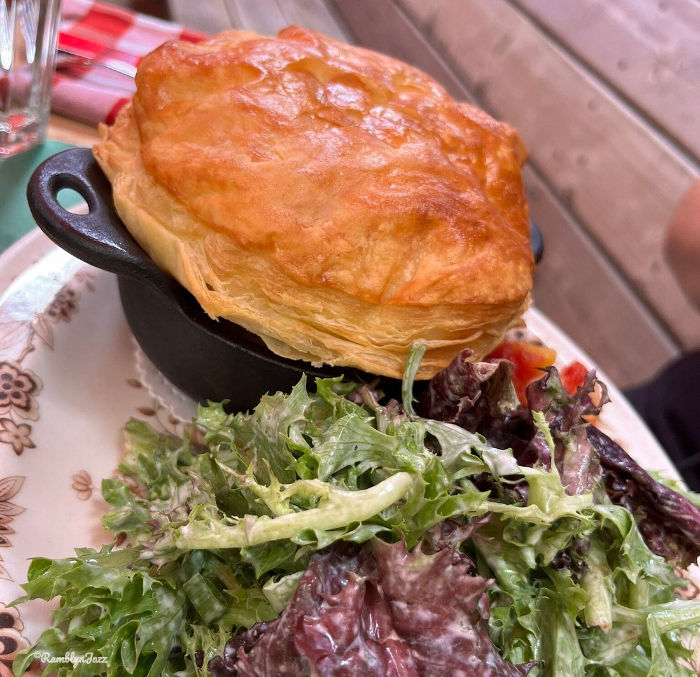
Creton: A savoury pork spread usually served on toast during breakfast.
Maple Taffy (Tire d'érable): Even in summer, you can find boutiques that pour boiled syrup over ice for a sweet, sticky treat.

Caribou: A local alcoholic beverage made of red wine, hard liquor, and maple syrup (traditionally served warm).
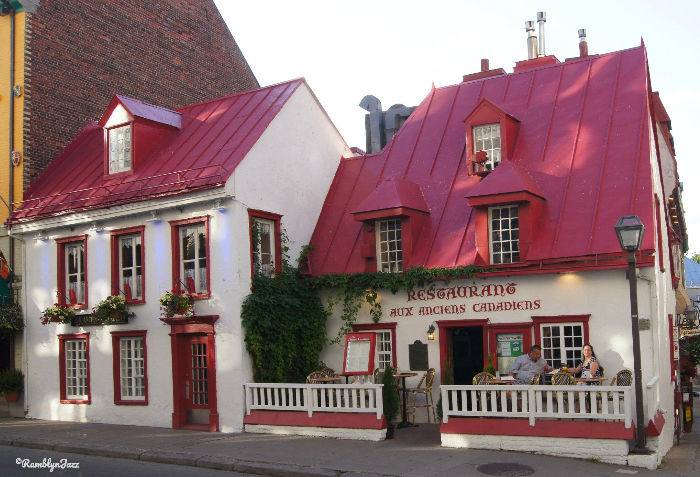
For a wide selection of traditional Quebecois fare, Restaurante aux Anciens Canadiens gets a lot of the tourist crowd due to its proximity to Chateau Frontenac and quaint setting, but a local directed me to La Buche, which I thoroughly enjoyed.
Getting Around Québec City: Public Transportation
Quebec City is incredibly walkable, but the RTC (Réseau de transport de la Capitale) bus system is efficient for longer hauls. A single fare is approximately $3.75 (exact change required), but a 1-day or weekend pass is a much better value.
For Day 3, you may wish to organize a tour or rent a vehicle.
Summer Festivals & Events
Quebec City comes alive in the summer, transforming into a massive open-air stage. While my 2025 visit was highlighted by the incredible Festival d’été de Québec (FEQ)—where the Plains of Abraham turned into a sea of music fans—the city’s calendar is packed from June through August. Be aware that parking will be a challenge during festivals. Other major festivals include:

Juste pour rire Québec: If you need a laugh, "Just For Laughs" takes over the city in August. It features a mix of free outdoor shows and ticketed indoor galas, showcasing the best of French and international comedy.
Les Grands Feux Loto-Québec: This is a world-class pyromusical competition. Every Tuesday and Thursday throughout much of August, the sky over the St. Lawrence River explodes in colour. The best part? It's free to watch from the banks of Quebec City or Lévis. The crowds are immense, so plan to arrive at your chosen viewing area early and expect gridlock traffic following the event.
Festibière de Québec: For the craft beer enthusiast, this August festival is a must. Held at the Espace Quatre Cents in the Old Port, it features dozens of local microbreweries, food trucks, and live music in a relaxed, sun-soaked atmosphere.
For a complete list of what's happening during your stay, I recommend checking the Official Annual Events Calendar.

A 3-Day Summer Quebec City Itinerary
To experience Quebec City in three days is like dropping into a living history book while enjoying a very modern, vibrant French-Canadian culture. This itinerary is designed to help you navigate the city’s vertical geography—balancing the steep climbs between Upper and Lower Town—while ensuring you hit the legendary landmarks and the breathtaking natural wonders just outside the city gates. From the fortification walls to the incredible Montmorency Falls, here is how to make every hour count.
This itinerary is packed but misses many gems that can be discovered at a more leisurely pace for visitors who wish to extend their time in the city.
Day 1: Exploring Haute-Ville
The first day is dedicated to the "Haute-Ville" or Upper Town, where the city’s military and religious heritage stands tall atop the cliffs of Cap Diamant. I focus on the iconic skyline views, the city’s protective walls, and the grand architecture that makes Quebec City feel more like a European capital than a North American town. Wear comfortable shoes, as today is all about exploring the heights and will include some hills and require climbing stairs.

Château Frontenac & Terrasse Dufferin
Dominating the skyline, the Château Frontenac is reputed to be the world's most photographed hotel. Even if you aren't staying as a guest, you can explore its regal lobby or take a guided tour to learn about the 1943 Quebec Conferences. Directly outside is the Terrasse Dufferin, a massive wooden boardwalk offering breathtaking views of the St. Lawrence River and the street performers that bring the area to life in summer.
1 Rue des Carrières. Guided tours ~$21.00; Terrace is free and open 24/7.

Rue Saint-Louis
This is one of the oldest streets in the city, and is the main artery of the Upper Town. It is lined with 17th and 18th-century houses that now host charming "Auberges," upscale restaurants, and boutiques. Walking this street feels like a trip back to New France, especially as you approach the historic St. Louis Gate.
Notre-Dame de Québec Basilica-Cathedral
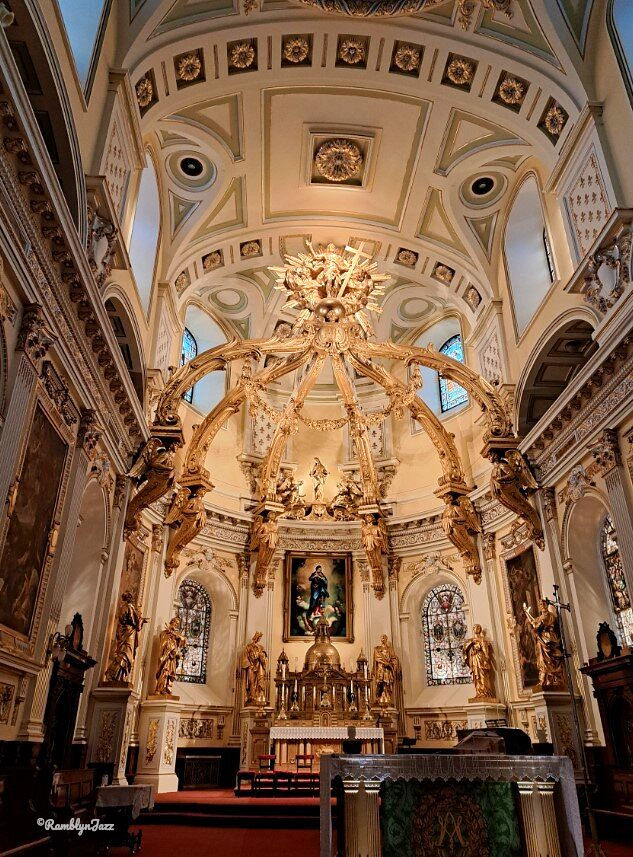
This stunning cathedral is a monument to the city’s religious roots. It houses the only Holy Door in the Americas and features a spectacular gold-leaf interior. It is the oldest parish in North America.
16 Rue de la Buade. Admission is free (donations welcome). Open daily 7:30 am – 4:00 pm (hours vary on weekends).
The Fortifications of Quebec
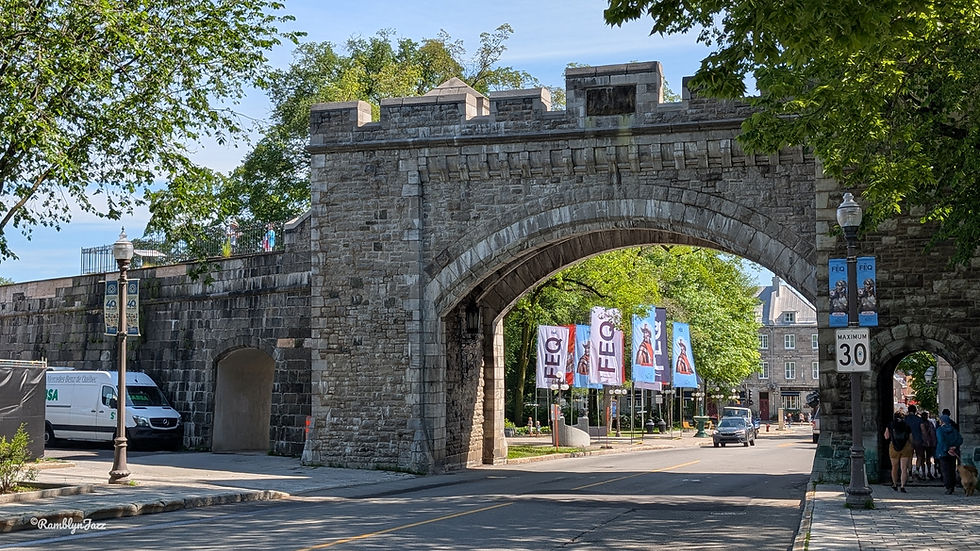
As the only fortified city in Canada, these walls are a defining feature. You can walk nearly 4.6 kilometres of the ramparts, passing through several ornate gates. It provides a unique "above-the-city" perspective of the narrow streets below.
Start at the Esplanade Park or St. Jean Gate. Walking the walls is free; Parks Canada guided tours are ~$22.75.

La Citadelle de Québec
This star-shaped fortress is an active military base. Summer visitors can witness the Changing of the Guard ceremony, complete with the Royal 22e Régiment in their iconic bearskin hats and their mascot goat, Batisse.
1 Côte de la Citadelle. Admission ~$22.00 (includes guided tour). Open daily 9:00 am – 5:30 pm.

Plains of Abraham
This vast urban park was the site of the 1759 battle between the French and British. Today, it is the city’s "lungs," where locals jog, picnic, and attend massive outdoor concerts during the Festival d’été de Québec.
Discovery Pavilion at 835 Wilfrid-Laurier Ave. Park access is free; museum entry fees apply.

Day 2: Exploring Basse-Ville
"Basse-Ville" (Lower Town) is the historic soul of the city, where the first French settlers arrived over 400 years ago. This area is a maze of narrow cobblestone streets, artisan boutiques, and waterfront views. Today's activities will transition from the oldest commercial district in North America to the modern cultural hubs of the Old Port, and end with a ferry ride across the water to enjoy the best view of the city’s famous silhouette.

Breakneck Stairs (Escalier Casse-Cou)
These are the city’s oldest stairs, built in 1635. Don’t let the name intimidate you; they provide a stunning vantage point for photos of Petit Champlain below. They connect the Côte de la Montagne to the lower town. There are scattered shops and kiosks along the way where you can stop to catch your breath.

Quartier Petit Champlain
Often voted the most beautiful street in Canada, this pedestrian-only district is filled with local artisans, bistros, and a fairytale atmosphere. Look for the massive fresco mural at the end of the street that depicts the city's history.

Many of the original and much larger early houses have been subdivided. Look for the unique address plates that include fractions!

Place Royale & Notre-Dame-des-Victoires
This small plaza is where Samuel de Champlain founded Quebec in 1608. The stone church in the centre, Notre-Dame-des-Victoires, is the oldest stone church in North America. It’s the perfect spot to grab a coffee and soak in the 17th-century architecture.
32 Rue sous le Fort. Free entry to the plaza; Church hours vary.

Ride the Funicular
If you’re tired of stairs, this glass-walled cable car links the Lower and Upper towns. It offers a quick, scenic ride with panoramic views of the river.
Entrance at Maison Louis-Jolliet in Petit Champlain. ~$5.00 CAD (cash only); runs 9:00 am – 9:00 pm.

Musée de la Civilisation
One of the most popular museums in Canada, it features world-class exhibits on Quebec history and Indigenous cultures, as well as rotating international galleries (such as the Titanic exhibition in 2025-26).
85 Rue Dalhousie. Admission ~$26.00 for adults. Open daily 10:00 am – 5:00 pm.

Quebec City Ferry
For the price of a bus ticket, you can board the ferry to Lévis. The 12-minute crossing provides the absolute best view of the Château Frontenac and the city skyline, especially beautiful at sunset.
10 Rue des Traversiers. Fares are ~$4.15 per adult; runs every 30-60 minutes until late.

Day 3: Something Different
On your final day, we head slightly outside the city walls to witness the raw power of nature and the beauty of the Quebec countryside. After experiencing the mist of the waterfalls and the "Garden of Quebec," we return to the city to uncover a few often-overlooked treasures, from a Victorian library to the local aquatic life, ending with a peaceful riverfront stroll.

Parc de la Chute-Montmorency
These falls are 83 metres tall—a full 30 metres higher than Niagara Falls. You can take a cable car to the top, walk across the suspension bridge directly over the crest, or climb the 487-step staircase along the cliffside.
2490 Avenue Royale. Parking/Entry ~$7.00+; Cable car fees apply. Open 9:00 am – 6:30 pm.

Île d’Orléans
A 15-minute drive from downtown, this island is a food-lover's paradise. Known as the "Garden of Quebec," it is divided into six parishes. Spend a few hours stopping at farm stands, cideries, and chocolate shops (don’t miss Chocolaterie de l'Île d'Orléans).
Accessible via the bridge at Beauport. Free to tour; individual shop hours vary.

Morrin Centre
Back in the city, Morrin Centre was once a grim 19th-century jail and later the city's first English college; it now houses a stunning Victorian library. It is one of my favourite places to visit.
44 Chaussée des Écossais. Guided tours ~$18.50. Booking ahead is highly recommended.

Aquarium du Québec
Home to 10,000 marine animals, including polar bears, walruses, and seals. Its location overlooking the St. Lawrence Bridge is spectacular. Walking through the tunnel surrounded by marine life swimming all around you is an experience that shouldn't be missed.
1675 Avenue des Hôtels. Admission ~$23.50; online ticket purchase is mandatory. Open 9:00 am – 4:00 pm.

Parc de la Plage-Jacques-Cartier
A local favourite for a quiet escape. This park features a long trail along the St. Lawrence River, perfect for a final evening stroll.
1475 Chemin du Fleuve. Free entry and parking.

Final Thoughts
As I look back on my time in Quebec City, I am reminded that this city is a rare gem. As Canada's oldest city, it is a place where history is lived on every street corner and echoed in every "Bonjour" you receive. It is often said that Quebec City feels like a piece of Europe within North America.
Whether you are navigating the steep hills of the Upper Town or sharing a late-night poutine in a Saint-Roch bistro, Quebec City rewards those who take the time to wander. It is the perfect anchor for any road trip through Quebec, offering a sense of European wonder without ever leaving North American soil. If you are looking for a summer destination that balances natural grandeur with deep cultural roots, Québec City should be on your travel list.
If you enjoy the content and would like to be updated with new posts, become a member/subscribe (it's free!) or follow along on the RamblynJazz Facebook page, BlueSky, Pinterest, Twitter, and Instagram. You can help the blog grow by sharing the link with a travelling friend or through social media. I truly appreciate your comments and encourage you to share your thoughts below.


Quebec sounds amazing. I love Poutine (though never had it in Canada!) and I would really enjoy seeing the changing of the guard and their lovely goat. And some of the street art in your photos was amazing. My kinda city for sure.
Oh I would certainly enjoy Quebec city despite the language (yeah French and I do not go well together). Staying in the artistic quarter Montcalm would be high on my list followed by exploring the hotel as well as the ride on the furnicular and the aquarium all sound like great fun to me. As always I appreciate your well thought through suggestions with free and local things to do in Quebec.
Carolin | <a href="https://solotravelstory.com/">Solo Travel Story</a>
This is a great post with loads of ideas for things to do. I'd love to watch the Changing of the Guards to see the goat mascot and I'd definitely want to take a trip out to Parc de la Chute-Montmorency although I'm not sure I'd be brave enough to walk across the bridge - I think I'd just enjoy the falls from a safe distance below!
If I'm ever really missing Europe I feel I'm just going to need a trip to Quebec City, a city I've been wanting to visit for a while and is now even more clear that I need to get there soon. I had no idea it was the only fortified city between us and the US, although I guess that makes sense. I'd definitely visit the museum of civilization and the cathedral. And my love of Fairmonts means I'm going to have to check out the Chateau Frontenac even if I don't stay there
Funny thing about the city, I got to see it from a show called Just for Laughs and I always thought that the sets where they filmed the gag looked so green and lovely :-) Reading more of it from your post makes you want to walk along the charming cobblestone streets and the views of the riverside that would make every wander feel cinematic. Thanks for sharing. I hope to visit Québec and be one among the local poutine haha #<a href="https://flyingbaguette.com/" target="_blank" rel="noopener noreferrer">𝐟𝐥𝐲𝐢𝐧𝐠𝐛𝐚𝐠𝐮𝐞𝐭𝐭𝐞</a> 🥖🪽